Few kitchen debates generate as much confident, conflicting advice as the best cutting board for raw meat, and the honest answer is that credible sources genuinely disagree, which makes understanding the actual evidence more useful than simply picking a side based on internet consensus.
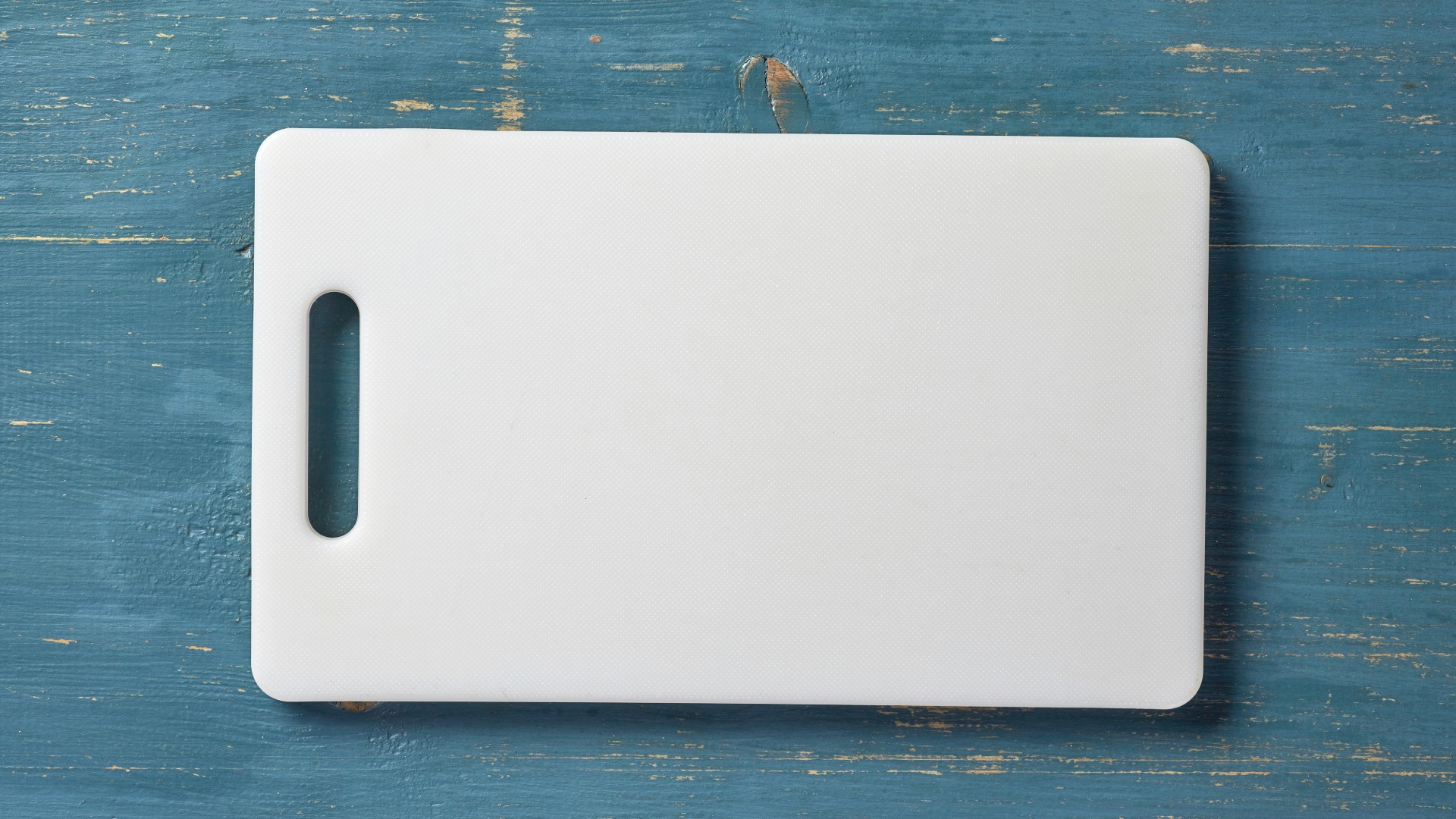
The USDA's Meat and Poultry Hotline states plainly that consumers may use either wood or a nonporous surface, plastic, glass, or similar materials, for cutting raw meat and poultry safely. This is a genuinely permissive, either-or stance from the primary food safety authority most home cooks would look to, not an endorsement of one material over the other.
Best Cutting Board for Raw Meat: Research on Wood
Early food safety research from the University of Wisconsin found that wood cutting boards actually killed the large majority of bacteria applied to their surface within minutes, likely through a combination of natural antimicrobial compounds and capillary action drawing bacteria down into the wood structure where they cannot survive. Plastic boards in the same research showed bacteria persisting, and in some cases even multiplying, particularly in knife scars and grooves that develop with regular use. More recent reviews have continued to find that wood's self-sanitizing properties hold up in food-contact settings, complicating the older assumption that non-porous automatically means safer.
Best Cutting Board for Raw Meat: The Case for Plastic
Other research and commercial food safety guidance favors plastic specifically because it is easier to clean thoroughly, dishwasher-safe in a way wood is not, and more straightforward to sanitize at scale in a commercial kitchen setting. This is part of why plastic remains standard in most professional kitchens, even though the home-kitchen research on bacterial survival often favors wood.
The Factor That Actually Matters Most
Across nearly every credible source, one point comes through consistently: proper cleaning, thorough drying, and timely replacement of a heavily scratched board matter more than the underlying material itself. A neglected wood board and a heavily scarred plastic board both pose real contamination risk, while a well-maintained board of either material, washed promptly with hot soapy water and dried completely, performs reasonably safely.
The One Practice Every Source Agrees On
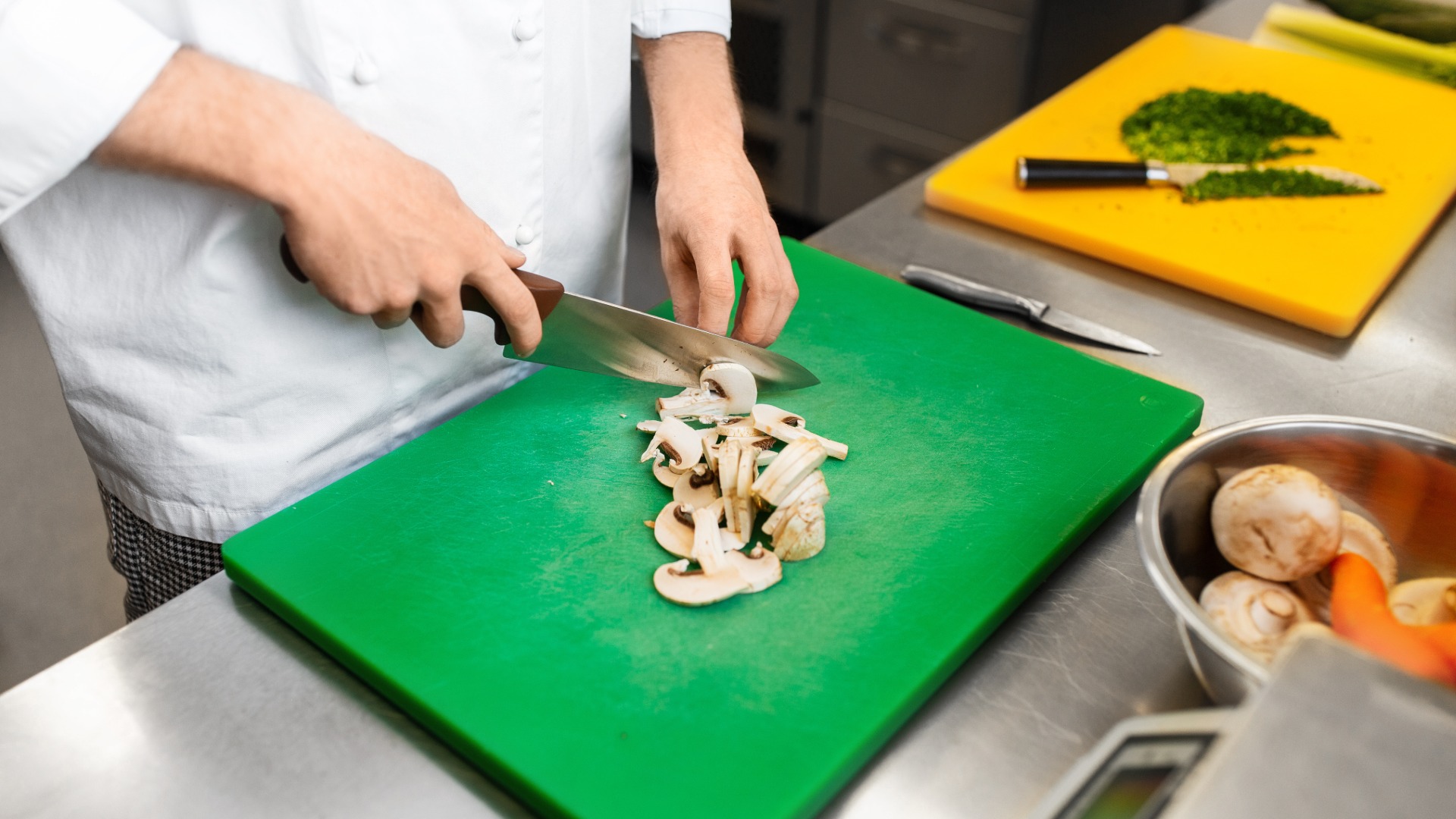
Regardless of material, using a separate cutting board for raw meat, poultry, and seafood, distinct from the board used for produce or ready-to-eat foods, prevents cross-contamination far more reliably than any material choice does on its own. This single habit, more than the wood-versus-plastic debate, is the practice worth prioritizing above all else.
Caring for Each Material Properly
Wood boards should be hand washed with hot, soapy water immediately after use, never soaked or run through a dishwasher, and periodically treated with food-safe mineral oil to prevent cracking and drying out. Plastic boards can go through the dishwasher for thorough sanitizing, but should be replaced once knife scarring becomes deep or extensive, since those grooves can shelter bacteria even after repeated washing. This same replace-when-worn instinct applies broadly across kitchen tools; a crock pot meals setup depends just as much on well-maintained equipment as a cutting board does, since a slow cooker that no longer heats properly poses its own food safety risk.
Prepping Poultry Safely From Start to Finish
Whichever board material you choose, the same careful process matters throughout; how to debone a chicken thigh safely depends on a clean, dedicated surface for raw poultry from the very first cut, and washing hands, tools, and the board thoroughly immediately afterward before touching anything else in the kitchen. And once that prep work is done safely, planning the rest of the week around it efficiently matters too; the kind of organized, protein-forward approach behind low carb meal prep ideas depends on exactly this kind of careful, repeatable raw-meat handling as its foundation.
The best cutting board for raw meat genuinely depends on which factors matter most to you, wood's self-sanitizing properties or plastic's dishwasher convenience, since credible evidence supports both. What every source agrees on is proper maintenance and using a dedicated board for raw meat specifically, habits that matter more than the underlying material debate ever will.

Katie Drsoptig is Sugar Press’s Culinary Technique and Food Science Editor. She explains the mechanics behind cooking methods across every cuisine, why braising tenderizes, why brining works, why blanching sets color, breaking each technique down into steps any home cook can repeat with confidence.