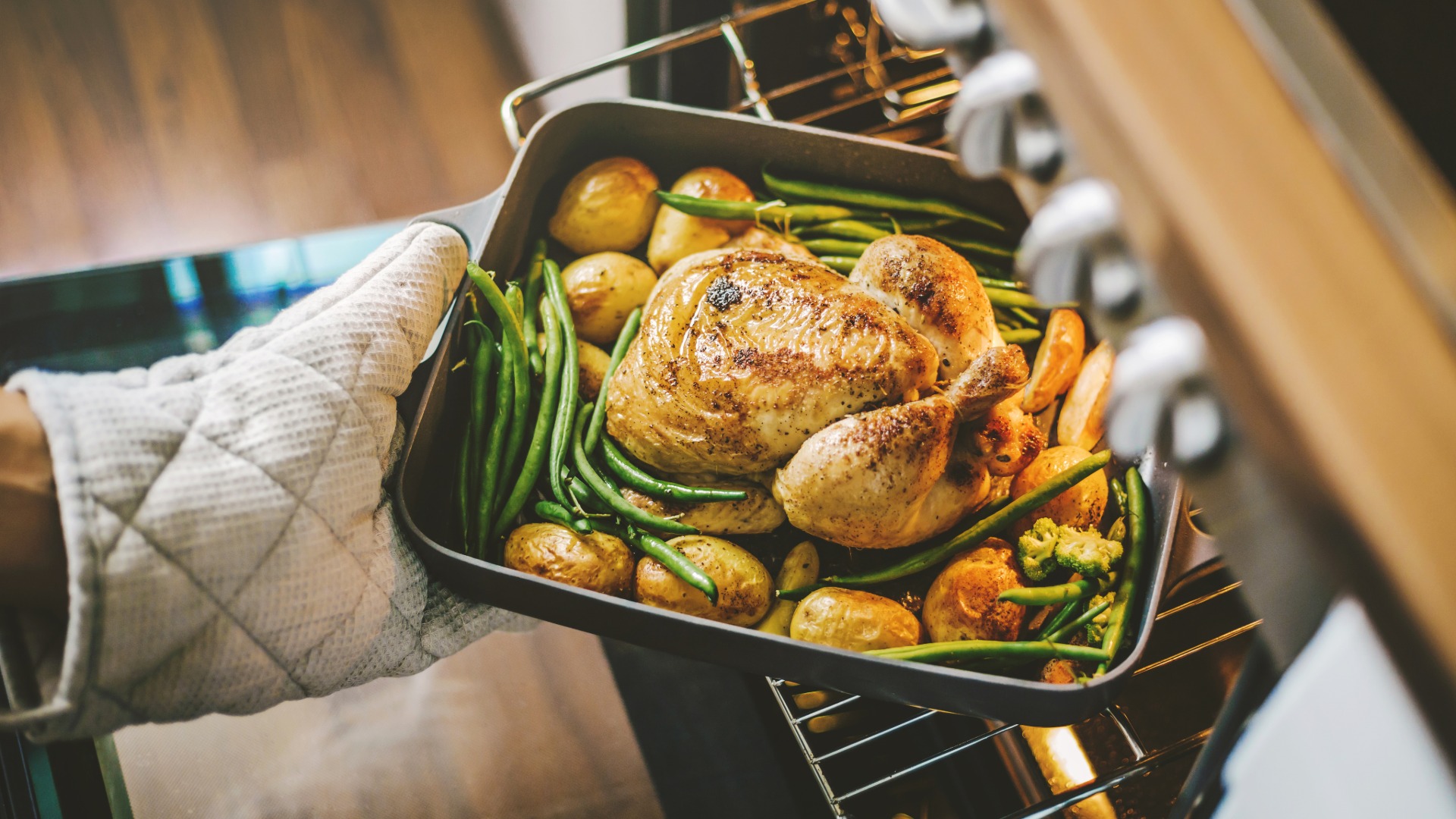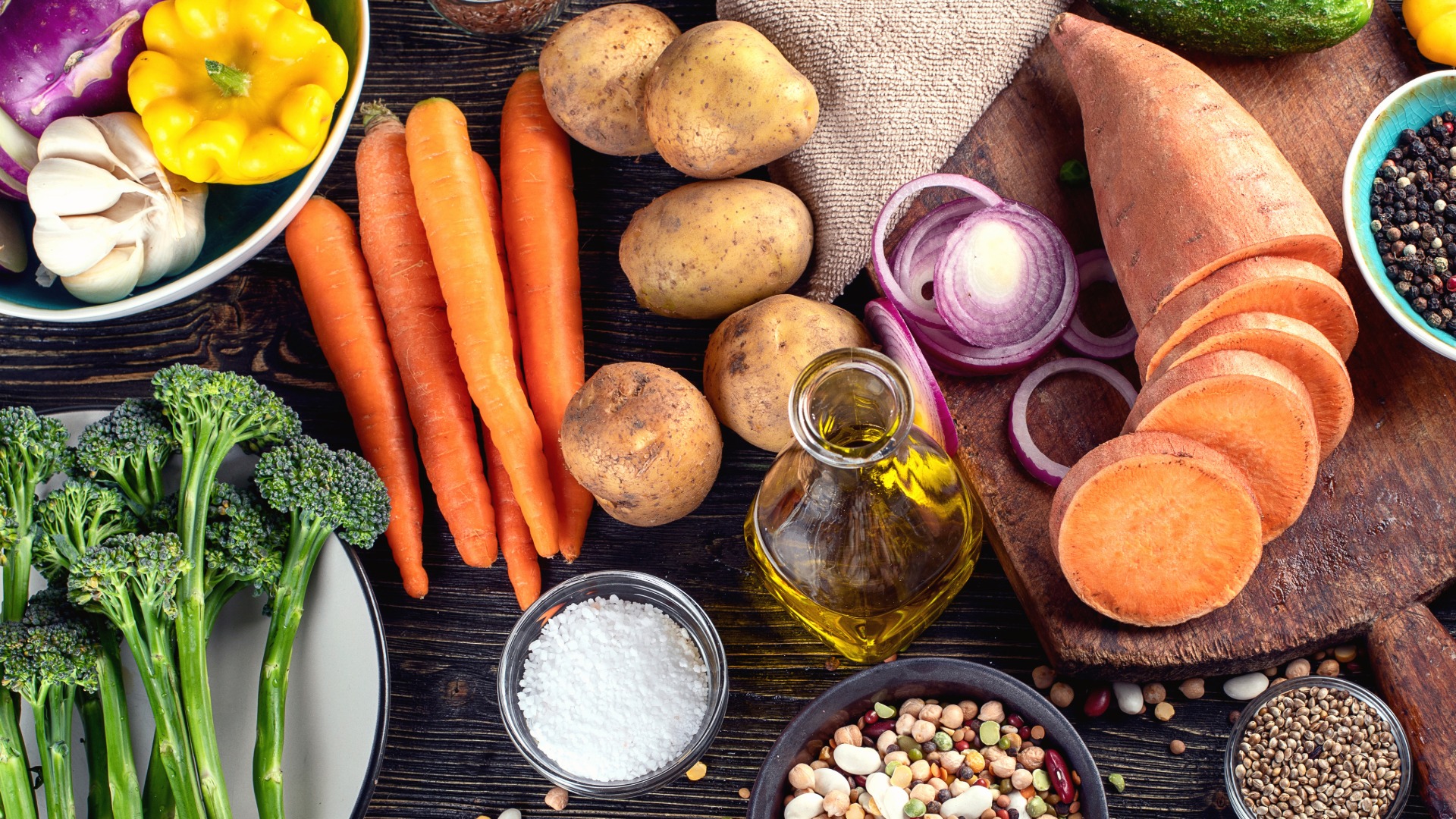
Some of the most satisfying dishes in cooking, a deeply flavorful pot roast, fall-apart short ribs, a rich coq au vin, all rely on the same underlying technique. Braising is what turns a tough, inexpensive cut of meat into something genuinely tender, and understanding the mechanics behind it explains why the technique works as reliably as it does.
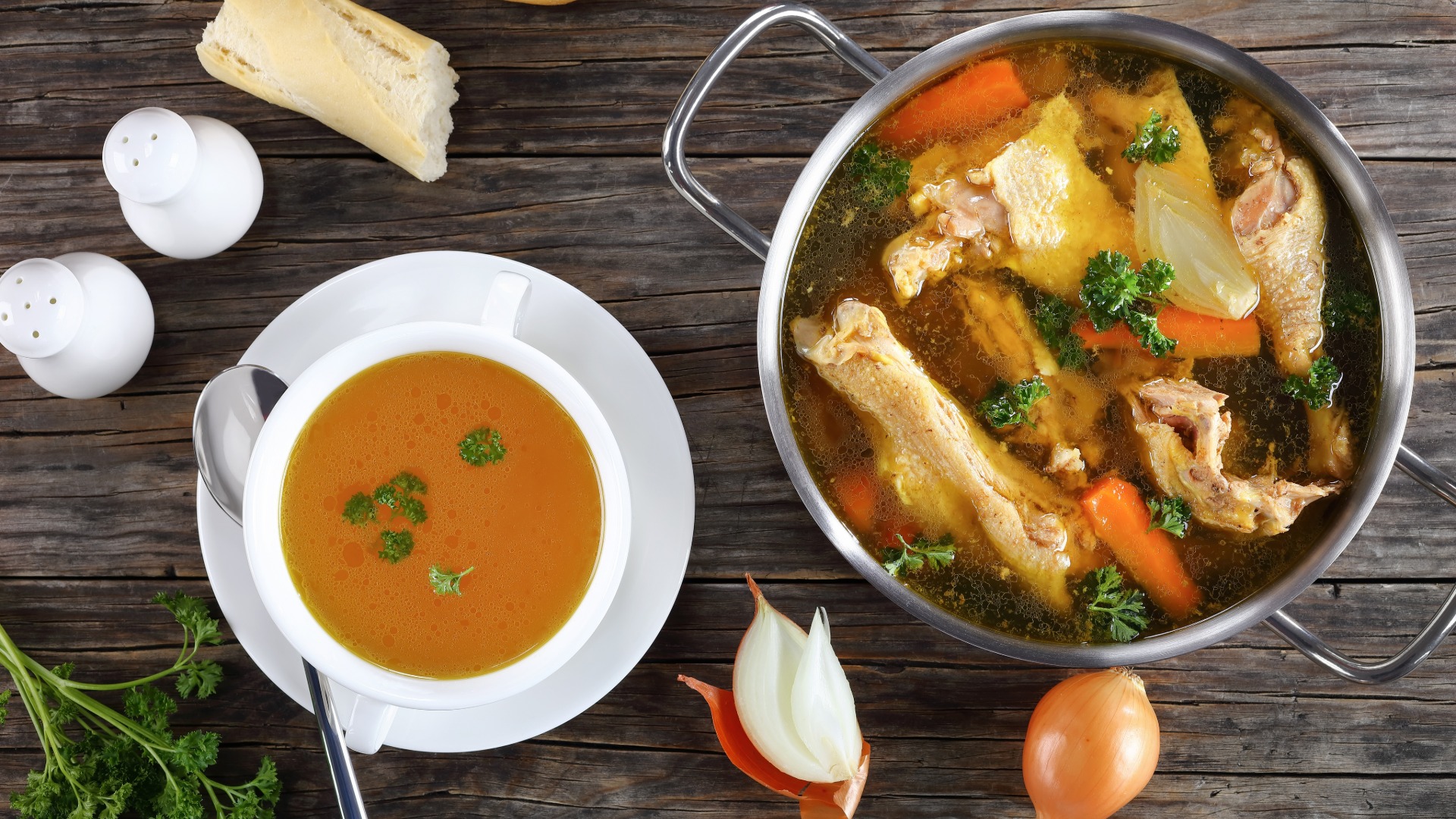
Braising happens in two distinct stages. First, the meat is seared at high heat until deeply browned on all sides, developing real flavor through the Maillard reaction before any liquid enters the pot. Second, the seared meat simmers slowly in a modest amount of liquid, stock or wine most commonly, in a covered vessel at low heat for an extended period, often two to four hours depending on the cut, until connective tissue breaks down and the meat becomes genuinely tender.
Why Tough Cuts Are the Right Choice for Braising
Braising exists specifically to solve the problem tough cuts present: cuts with significant connective tissue, chuck roast, short ribs, lamb shanks, are too tough for a quick cooking method like grilling or pan-searing alone, but that same connective tissue, mostly collagen, breaks down into gelatin over long, slow, moist cooking, producing a texture that is actually more tender than a naturally tender cut treated the same way. Sirloin or filet, already tender cuts, do not benefit from braising the way a chuck roast does, since there is little tough connective tissue left to convert.
Braising vs Stewing: A Real Distinction
Braising typically uses larger, whole cuts of meat and a smaller amount of liquid, generally covering the meat only partway. Stewing uses smaller, bite-sized pieces of meat fully submerged in a larger volume of liquid. Both rely on the same low, slow, moist cooking principle, but the size of the meat and the amount of liquid used are genuinely different, which affects both cooking time and final texture.
The Right Liquid Base Matters
A rich, well-made stock affects a braise meaningfully, since its higher collagen content adds body the finished braising liquid benefits from directly. Wine, beer, or a combination with stock all work as a braising liquid too, each contributing a different flavor profile to the final dish, and a well-timed side can round out the meal the same patient way; the sustained, steady heat behind active dry yeast vs instant yeast bread baking shares that same requirement for patience and proper timing that a good braise demands.
Common Mistakes That Undermine a Braise
Skipping the initial sear, or rushing it at too low a heat, sacrifices real flavor the technique depends on, since that browned crust is doing genuine flavor work, not just a cosmetic step. Using too much liquid drowns the meat rather than gently braising it, turning the dish closer to a boil than a proper braise. And rushing the cooking time at too high a heat toughens the meat rather than tenderizing it, since the collagen-to-gelatin conversion genuinely requires low, sustained heat over real time, a shortcut here simply does not work.
Equipment That Makes Braising Easier
A heavy, oven-safe pot with a tight-fitting lid, a Dutch oven most commonly, holds heat evenly and traps moisture effectively, both essential to a successful braise, since thinner, lighter cookware struggles to maintain the steady, even heat a proper braise depends on. Having the right prep tools on hand matters too; a good set of mixing bowls makes staging ingredients before a long braise considerably more organized, especially once the actual cooking stretches on for hours with little room for a mid-recipe scramble.
Building a Meal Around a Braise
A braise's rich, deeply savory character pairs naturally with a bold, well-seasoned protein elsewhere on the table too; a dish like Mongolian beef recipe shares that same commitment to deep, developed flavor, even though the technique itself is entirely different, both built around the idea that patience and proper technique produce results a rushed shortcut simply cannot match.
Braising is a genuinely reliable technique once the two-stage process, sear hard, then cook low and slow in modest liquid, is understood and respected. Tough, inexpensive cuts of meat are exactly where this technique shines, turning what would otherwise be a chewy disappointment into one of the most satisfying dishes in a home cook's repertoire.

Wayan Gurtphaboo is Sugar Press’s Kitchen Equipment and Culinary Science Specialist. He compares cookware, knives, and small appliances on durability and materials science, stainless versus ceramic, santoku versus chef’s knife, so readers can buy once and buy right.