No single piece of equipment shapes how enjoyable cooking feels day to day quite like knife skills, and yet it is one of the most commonly skipped fundamentals for home cooks who jump straight into recipes without ever building the underlying technique.
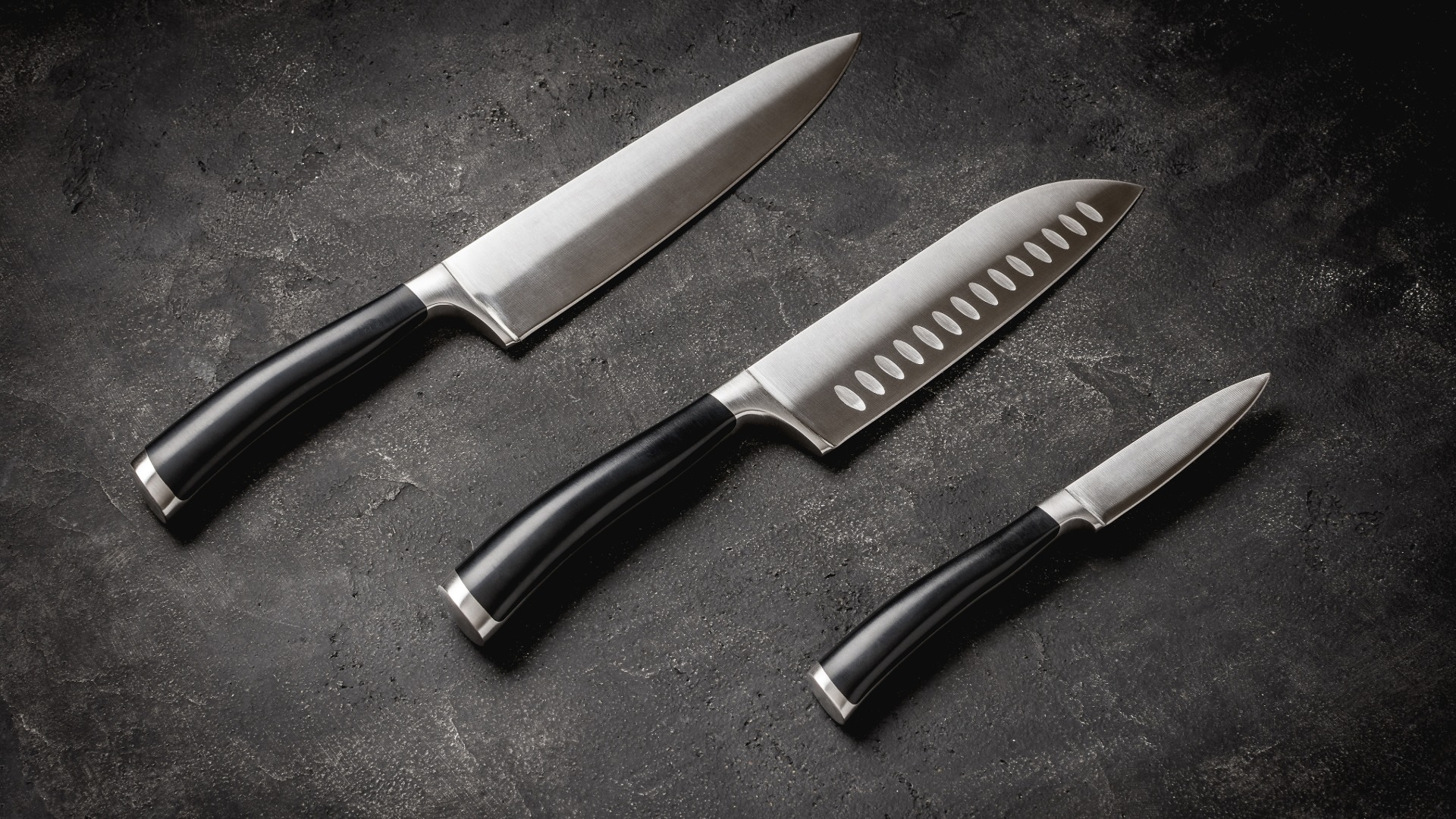
Holding a chef's knife by pinching the blade itself, thumb and forefinger gripping just above the handle on the blade, rather than wrapping the entire hand around the handle alone, provides dramatically more control and precision. This single adjustment, uncomfortable at first for most home cooks used to a full handle grip, is genuinely the foundation nearly every other knife skill builds on top of.
The Claw: Protecting Your Fingers While Cutting
The guiding hand should curl fingertips under, knuckles forward, so the flat of the knife blade rests against the knuckles rather than the fingertips ever being exposed to the blade's path. This "claw" grip lets you cut with real speed and confidence, since the knuckles act as a built-in guide and guard simultaneously, removing much of the fear that otherwise makes people cut slowly and tentatively.
The Core Cuts Worth Actually Learning
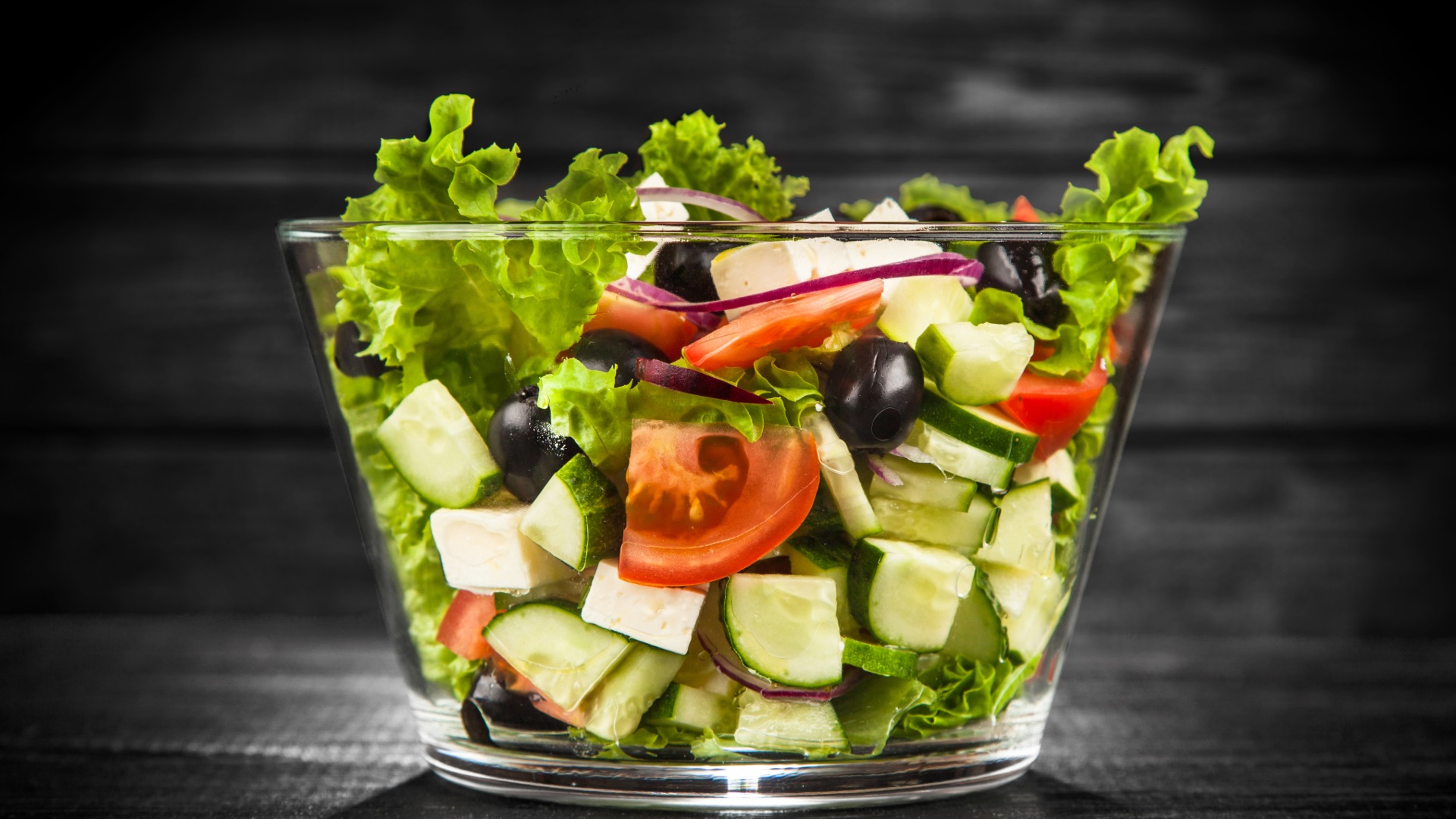
A rough chop is fine for many everyday tasks, but a handful of proper cuts genuinely improve both cooking results and presentation. A dice produces small, uniform cubes that cook evenly, critical for anything going into a sauce or a dish where consistent cooking time matters. A julienne produces thin, matchstick-like strips, useful for stir-fries and garnishes. A chiffonade, used mainly for leafy herbs like basil, involves stacking and rolling leaves tightly before slicing into thin ribbons.
Why Uniform Size Matters More Than Most Realize
Beyond presentation, uniform cuts cook at the same rate, which means a dish finishes evenly rather than having some pieces overcooked while others remain underdone, a principle that applies just as much to prepping delicate seafood; knowing how to peel and devein shrimp properly before cutting keeps every piece the same clean, uniform size for even cooking.
Keeping the Knife Sharp Matters More Than the Knife Itself
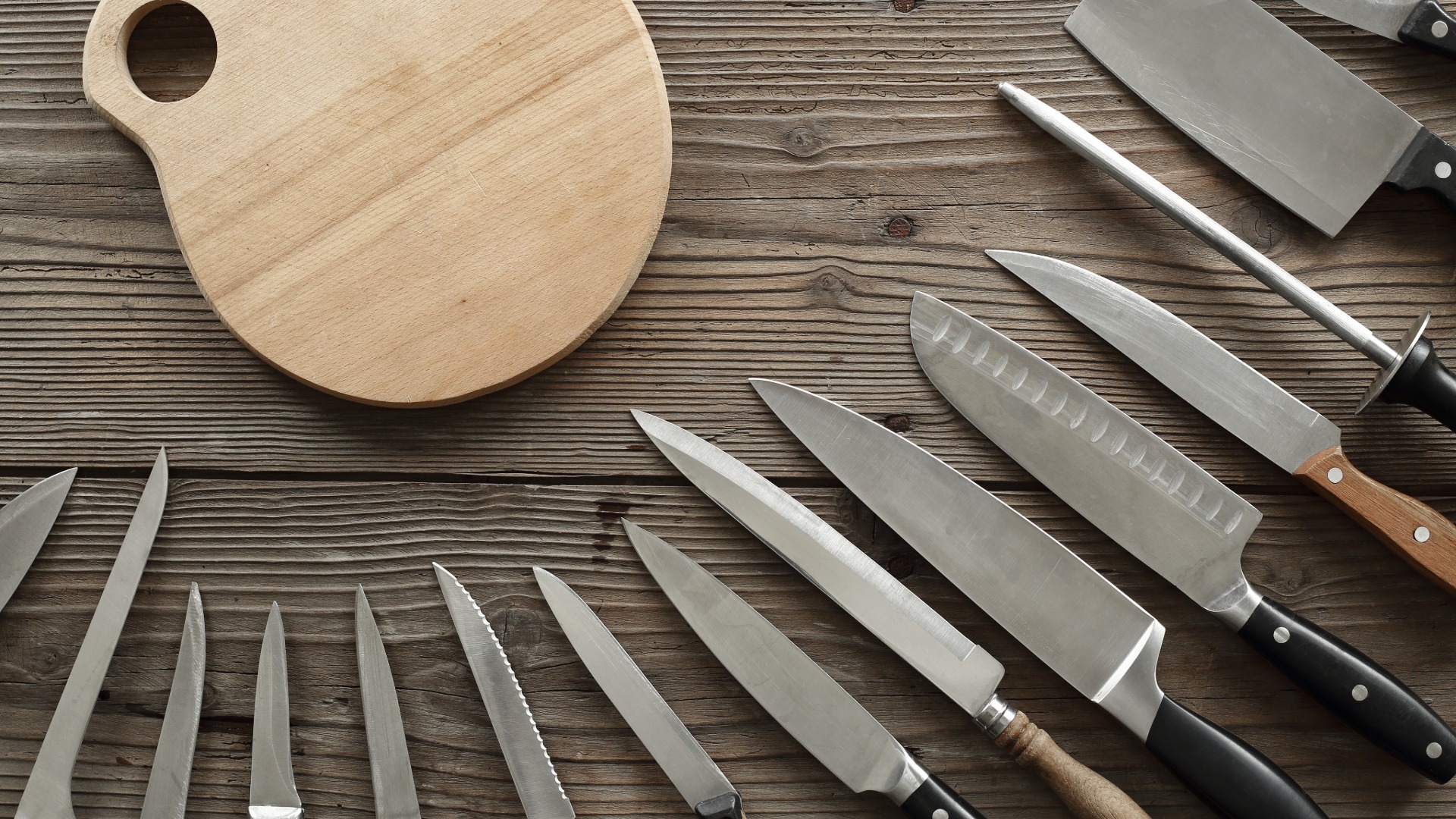
A dull knife is genuinely more dangerous than a sharp one, since it requires more pressure to cut through food, increasing the chance of the blade slipping unpredictably. Regular honing between uses, and periodic sharpening on a whetstone or with a proper sharpener, keeps a blade performing safely and predictably, and this maintenance habit matters more to everyday cooking quality than upgrading to a more expensive knife ever will.
Building Confidence Through Repetition, Not Speed
Speed comes naturally with repetition, and chasing it before the fundamental grip and claw technique feel automatic is how most home kitchen cuts actually happen. Practicing basic cuts slowly and deliberately on cheap, forgiving vegetables, onions and carrots especially, builds the muscle memory that eventually makes fast, confident prep work possible without ever having to think about it consciously.
The Right Tool Still Matters
Good technique compensates for a lot, but a well-balanced, appropriately sized knife still makes a real difference; understanding the practical differences behind best stainless steel cookware set style buying decisions applies just as directly to choosing knives, since comfort, weight, and balance in the hand matter enormously for how confidently and safely someone actually uses a blade day to day.
Where Good Knife Skills Pay Off Fastest
Efficient prep work is exactly what makes quick, protein-forward meals genuinely realistic on a busy weeknight; the kind of fast, well-organized cooking behind 10 minute high protein lunches for work depends directly on the prep speed that solid knife skills make possible, turning what would otherwise be a slow, tedious chopping session into a genuinely quick few minutes of confident, practiced cutting.
Knife skills are less about mastering an intimidating list of formal cuts and more about building a safe, confident grip and a handful of genuinely useful techniques through repetition. Once the fundamentals feel automatic, everyday cooking gets meaningfully faster, safer, and more enjoyable.

Katie Drsoptig is Sugar Press’s Culinary Technique and Food Science Editor. She explains the mechanics behind cooking methods across every cuisine, why braising tenderizes, why brining works, why blanching sets color, breaking each technique down into steps any home cook can repeat with confidence.