Ceramic cookware has grown popular largely as a response to concerns around traditional non-stick coatings, but weighing ceramic cookware pros and cons honestly means acknowledging it solves one problem while introducing a different, genuine tradeoff of its own.
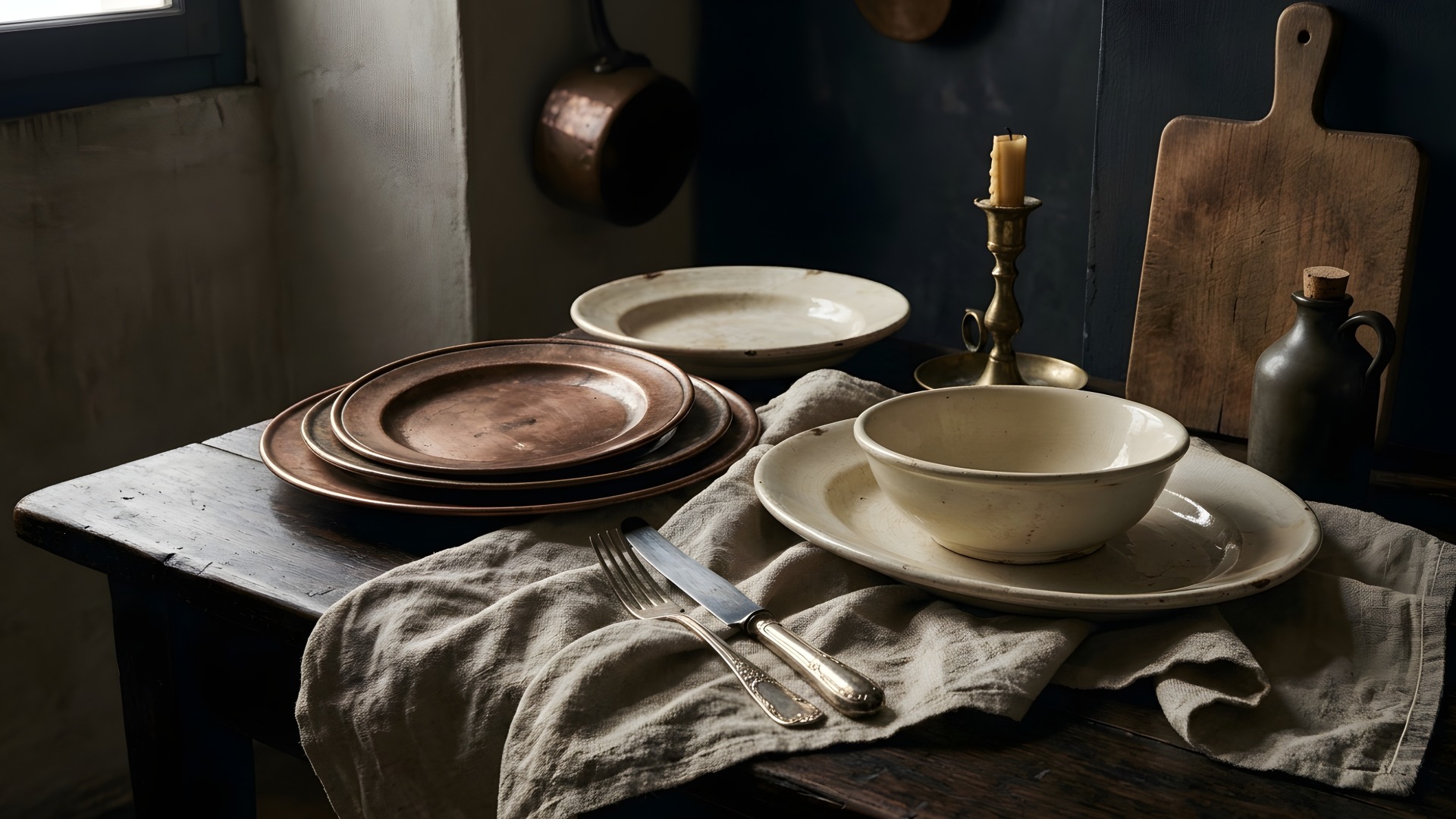
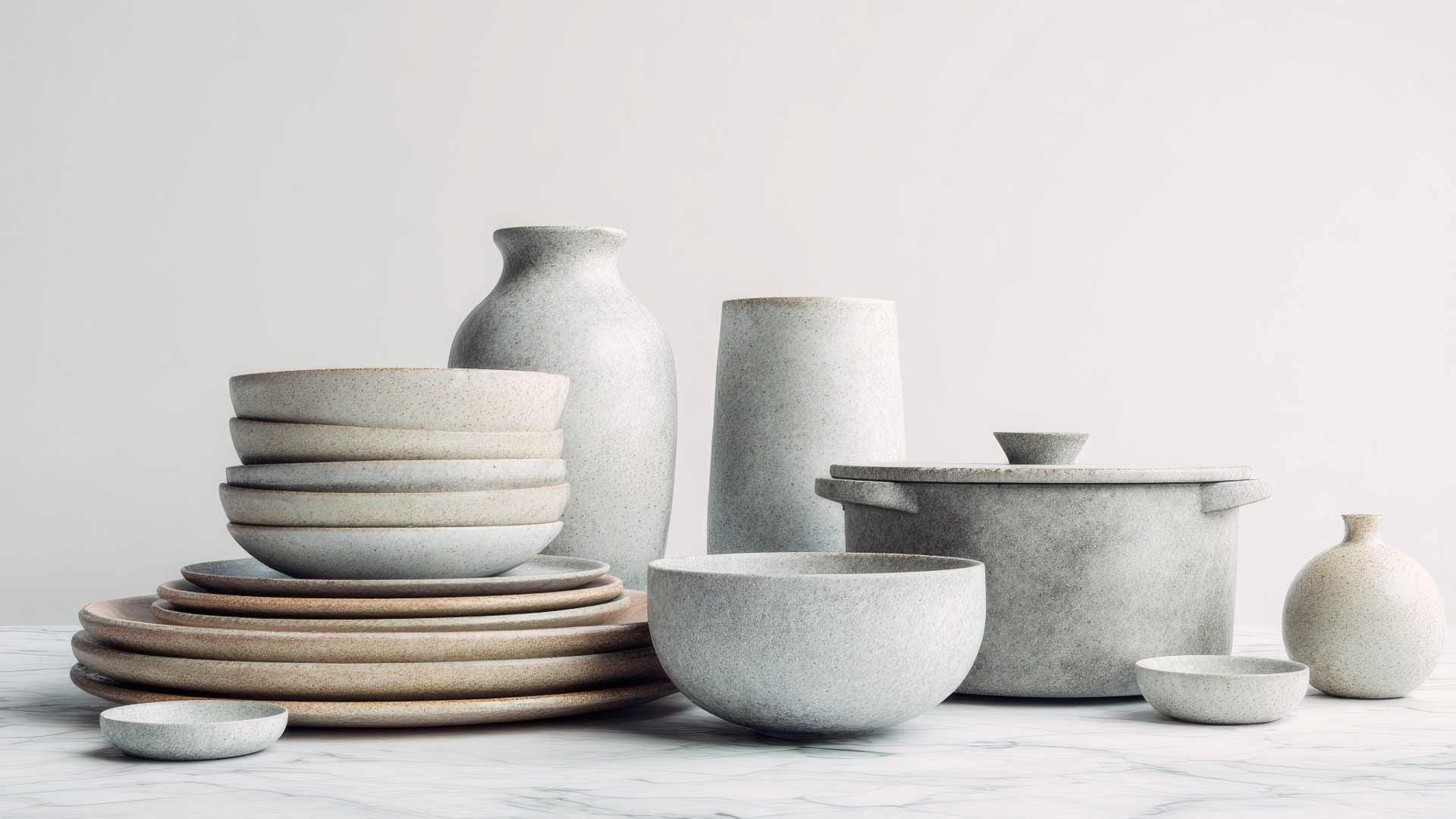
Ceramic non-stick cookware uses a sol-gel coating derived from silicon dioxide, chemically distinct from PTFE and containing no PFAS compounds at all, a genuinely different chemistry rather than simply a marketing rebrand of the same underlying material. This means ceramic cookware sidesteps the PTFE and PFOA conversation entirely, since the coating itself belongs to a different chemical family from the start.
Ceramic Cookware Pros and Cons: The Real Advantage
Because ceramic coatings contain no PFAS, there is no equivalent concern about overheating releasing fluorinated compounds the way there is with PTFE. This genuinely removes one entire category of worry for anyone specifically trying to avoid PFAS chemicals in cookware, a real and legitimate advantage for households prioritizing that concern above all else.
Ceramic Cookware Pros and Cons: The Real Downside
Ceramic coatings typically lose their non-stick performance meaningfully faster than a quality PTFE coating, often within one to two years of regular use, compared to three to five years for a well-maintained PTFE pan. This means ceramic cookware, despite often costing a similar amount upfront, frequently needs replacing more often, which affects both the real long-term cost and the environmental footprint of the purchase over time.
Heat Tolerance Differences Worth Knowing
Ceramic coatings generally tolerate high heat reasonably well initially, but the coating degrades gradually with repeated high-heat use in a way that is less forgiving than PTFE's more predictable, single clear threshold. Cooking at consistently moderate heat, rather than regularly pushing a ceramic pan to its highest heat tolerance, meaningfully extends how long the non-stick performance actually lasts.
Maintenance That Extends Ceramic’s Lifespan
Using only silicone, wood, or plastic utensils, never metal, avoiding the dishwasher in favor of gentle hand washing, and skipping cooking sprays, which can leave a residue that actually degrades ceramic coatings faster than regular oil does, all meaningfully extend how long a ceramic pan performs well. These habits matter more for ceramic than for PTFE, since ceramic's coating is inherently more delicate from the start.
Choosing Between Ceramic and Other Options
For someone prioritizing avoiding PFAS chemicals above all else, ceramic is a genuinely reasonable choice despite its shorter lifespan, and understanding best cutting board for raw meat style material tradeoffs applies the same logic here: no single material wins on every dimension, and the right choice depends on which specific priority, longevity, chemical composition, cost, matters most for a given kitchen. For someone less concerned about that specific chemistry and more focused on longevity and value, a quality PTFE pan or well-seasoned cast iron may make more practical sense.
Preparing Food That Suits Ceramic’s Strengths
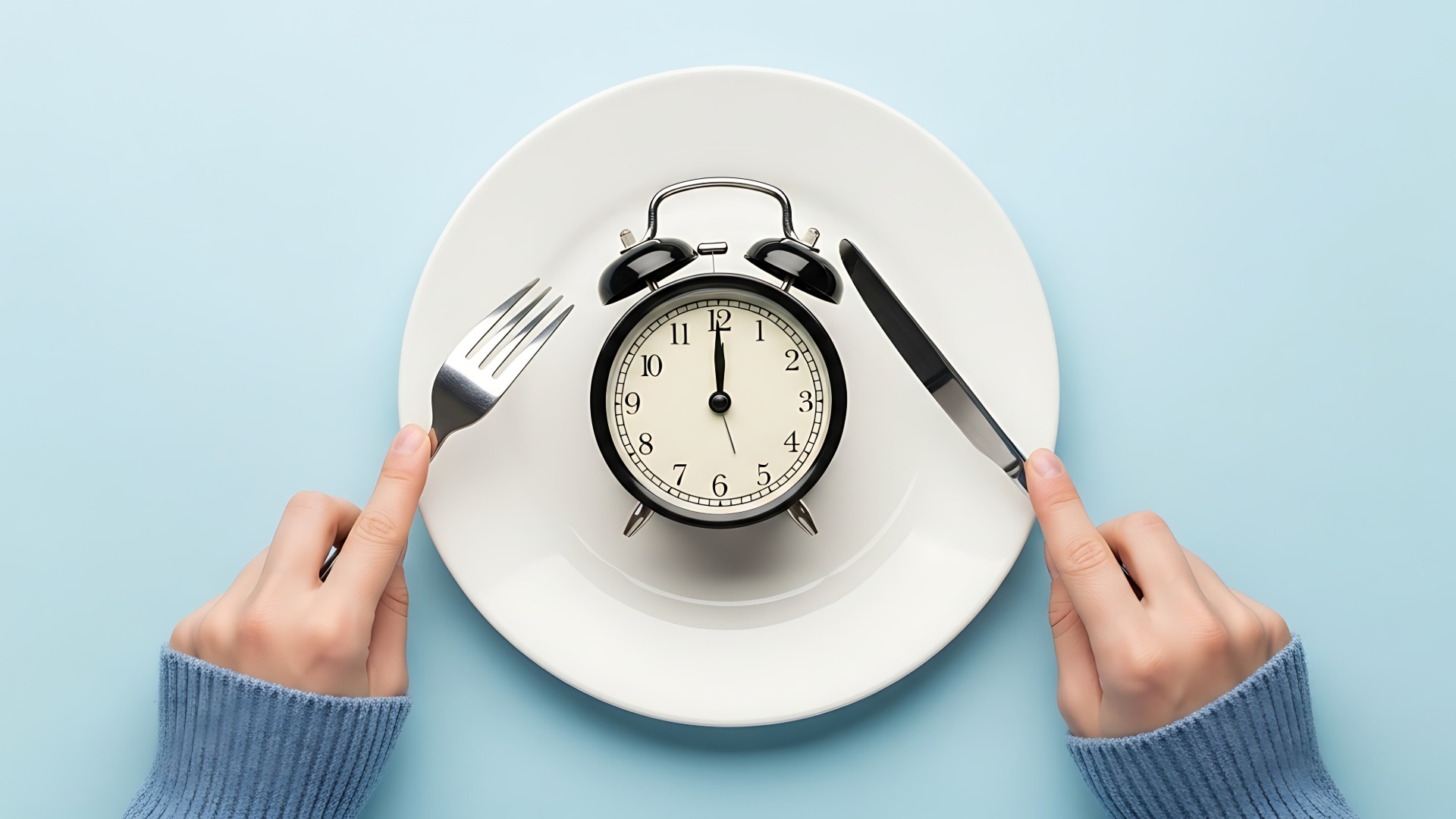
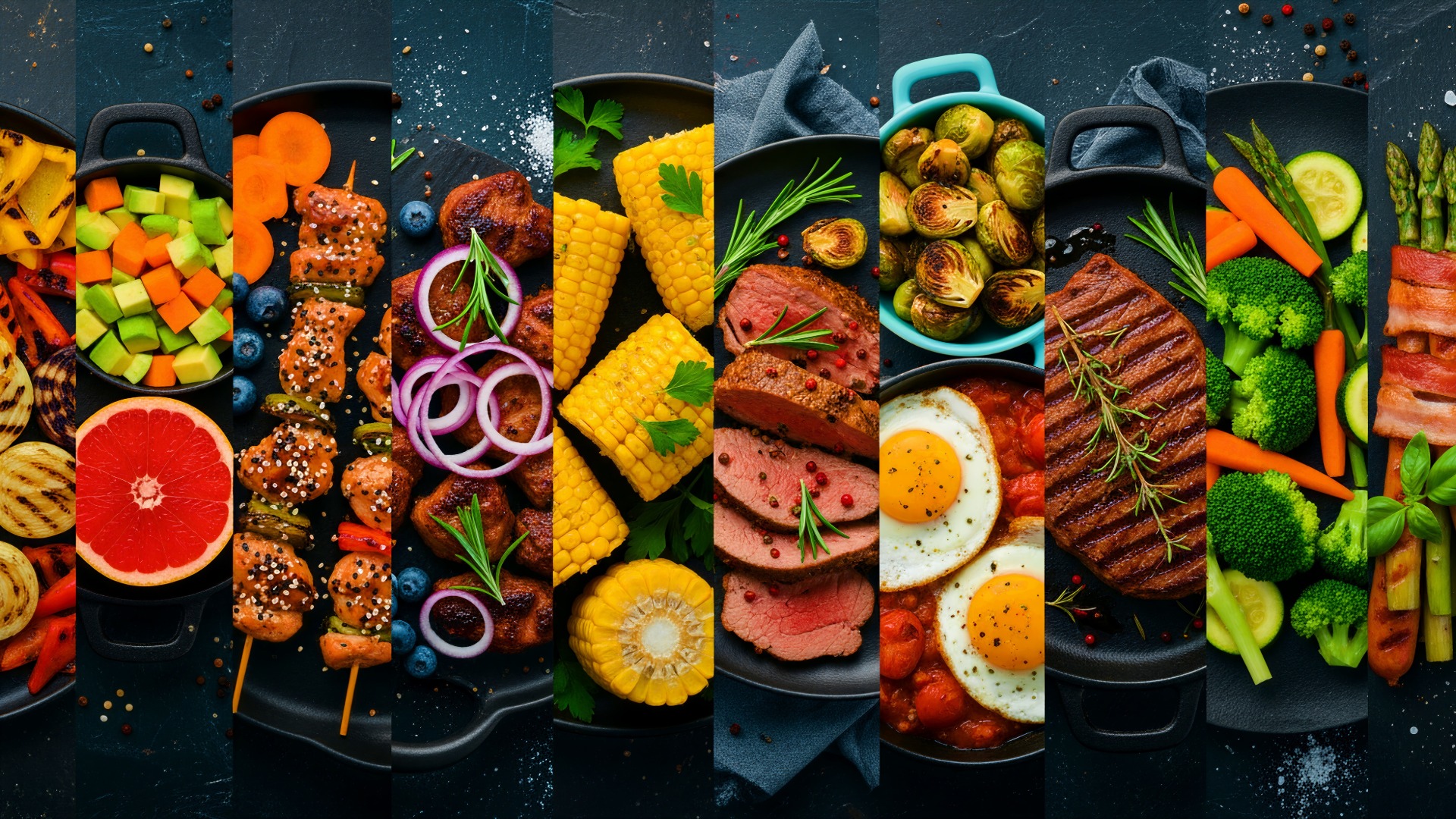
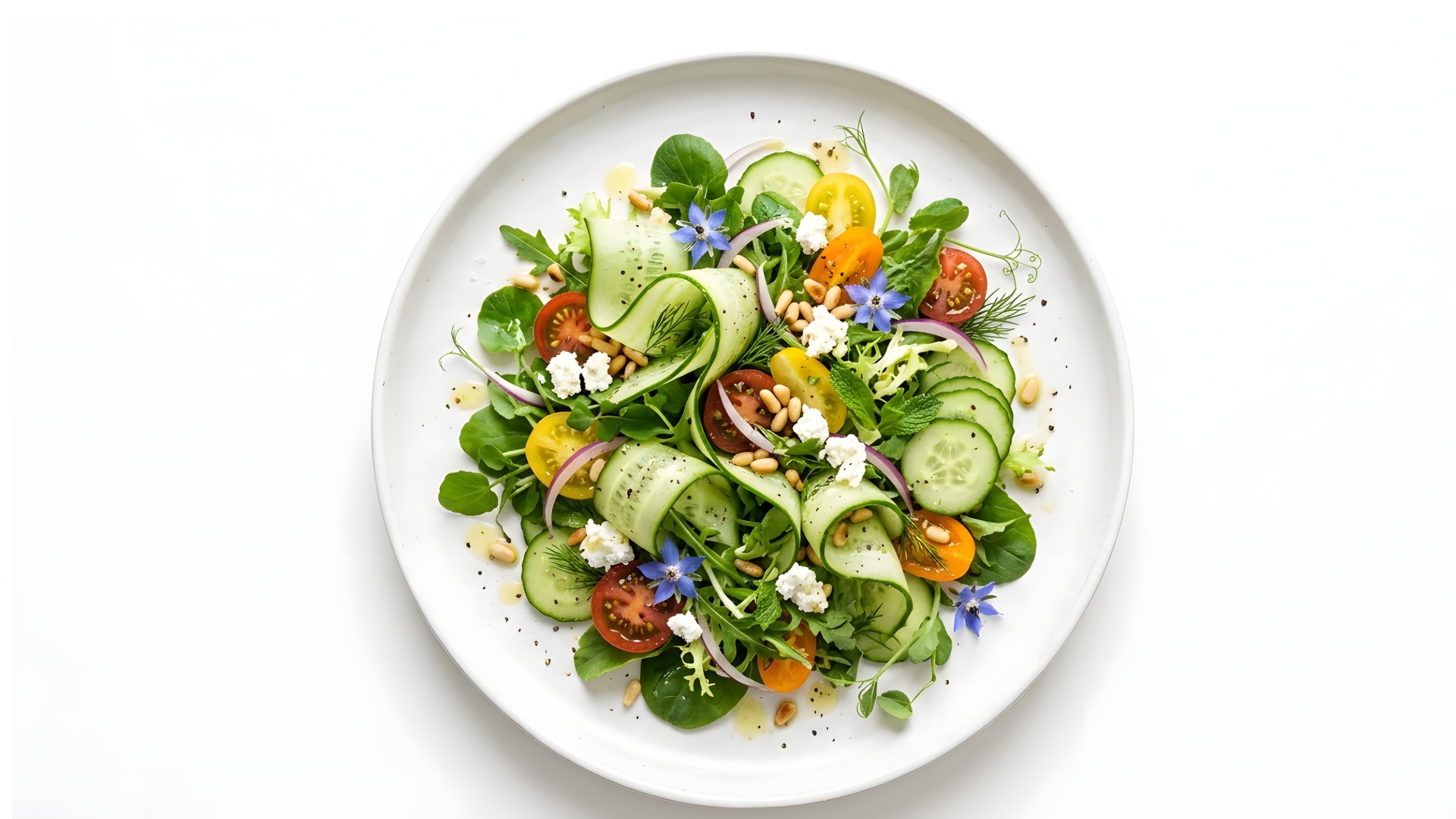
Ceramic performs particularly well for delicate, quick-cooking tasks; the same gentle, controlled cooking style behind blanching vegetables pairs naturally with ceramic's moderate-heat sweet spot, and a well-prepped batch of blanched vegetables finished with a quick ceramic-pan sauté makes efficient use of exactly the kind of cooking ceramic coatings handle best. And for anyone building meals around a specific eating pattern, the steady, planned rhythm behind intermittent fasting meals benefits from reliable, easy-to-clean cookware like ceramic, since minimizing cooking friction matters more when meals are concentrated into a shorter daily window.
Ceramic cookware pros and cons come down to a genuine, meaningful advantage, no PFAS chemistry at all, traded against a real downside, a shorter non-stick lifespan than PTFE. Neither factor is a dealbreaker on its own; the right choice depends on which tradeoff matters more for your specific kitchen and priorities.

Wayan Gurtphaboo is Sugar Press’s Kitchen Equipment and Culinary Science Specialist. He compares cookware, knives, and small appliances on durability and materials science, stainless versus ceramic, santoku versus chef’s knife, so readers can buy once and buy right.